Mastodon

I’m Christian: Senior Consultant by day, FreeBSD person by conviction. Hands-on writeups about jails, BGP, self-hosting and Linux, all from infrastructure I actually run.

#fedora Articles


Newest

One Old JavaCard, Two Lives: Kerberos PKINIT and SSH From a Drawer Find

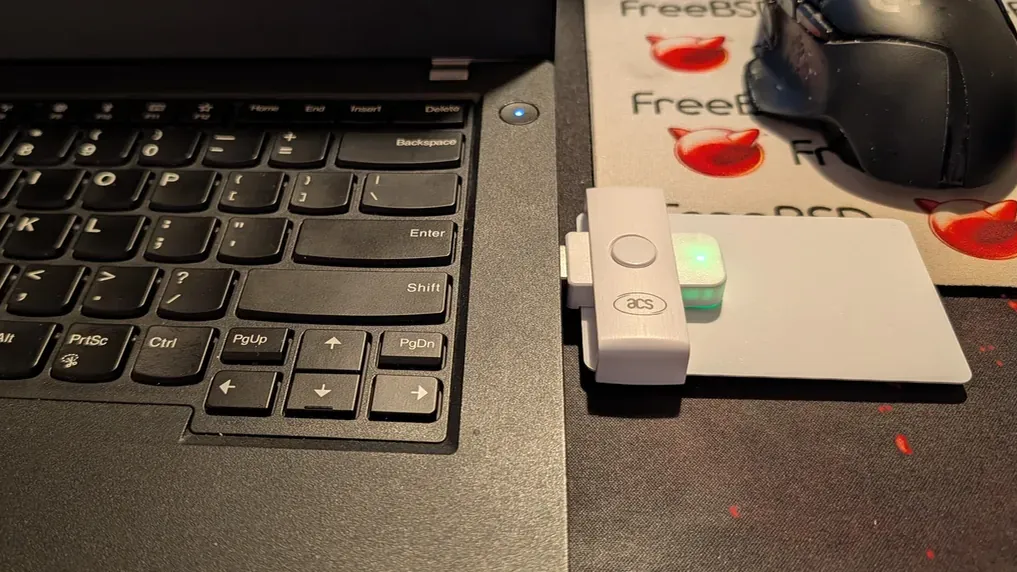
An old NXP JavaCard was about to become e-waste. Instead it got an applet loaded with GlobalPlatformPro, became a PKCS#15 token, received a certificate from my IdM CA and fetched a Kerberos ticket via PKINIT. Ninety minutes later the same card was wiped, turned into an OpenPGP card and logged in to a FreeBSD server over SSH. This is how both lives worked, and the six places where they did not work on the first try.
Earlier articles

Git Beyond the Basics: Worktrees, Cherry-Picks and Signed Commits

Almost every Git tutorial stops after add, commit, push and a merge conflict. The tools that make Git pleasant in daily work get far less attention: worktrees for parallel feature branches, cherry-picks for backports, fixup commits and autosquash for clean history, the reflog for recovering from mistakes, and signed commits that prove who made them. This article starts with the mental model and the basics, then works through the parts I actually use, including signing with an OpenPGP smartcard through oct-git.

Hardware Keys Without GnuPG: The Rust OpenPGP Card Stack, Now in FreeBSD Ports

Three small Rust tools from the OpenPGP Card project replace the GnuPG stack for my everyday hardware key work: oct to manage OpenPGP cards and Nitrokeys, oct-git to sign Git commits, and openpgp-card-ssh-agent as a hardware-backed SSH agent. I ported all three to FreeBSD and they are now in the ports tree. This article explains what each tool does, how they share PIN handling, and how I set them up on Fedora and on my FreeBSD T480.

Linux Foundationals: From Silicon to Userspace - The Boot and Init Chain

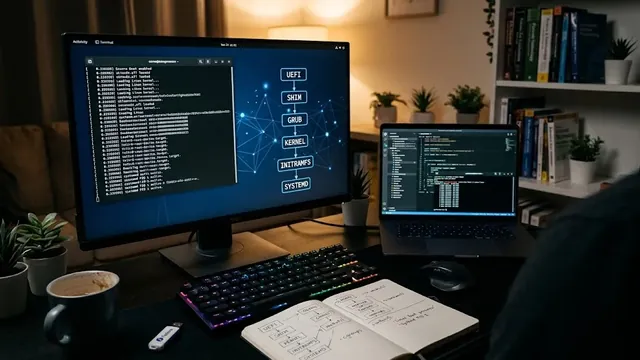
The first article in the Linux Foundationals series. It traces a Fedora system from the UEFI handoff through shim and Secure Boot, MOK enrollment with mokutil, GRUB2 and Boot Loader Specification entries, the dracut initramfs and switch_root, all the way to systemd as PID 1. Then it covers units, dependencies versus ordering, targets, and how to measure and fix a slow boot with systemd-analyze.

WinBoat Broke, Windows Kept Running: dockurr/windows with Plain Podman

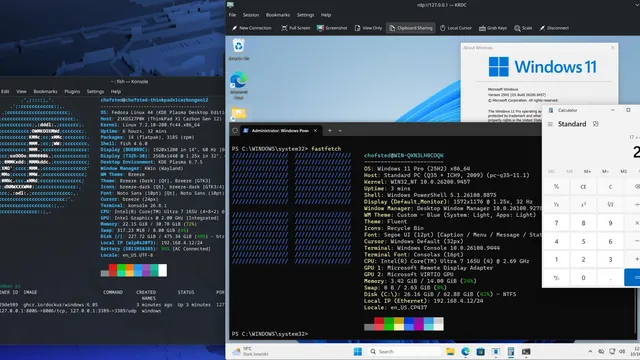
After a cleanup broke my WinBoat installation, I brought the same Windows 11 VM back with a single rootless podman run against the old storage directory. Here is what dockurr/windows actually is, what lives in its storage folder, why NETWORK=nat quietly became passt in rootless Podman, how I verified RDP without opening a window, and a Quadlet unit to keep it around.

Android Development on Fedora 44 Without Installing an Android Development Stack

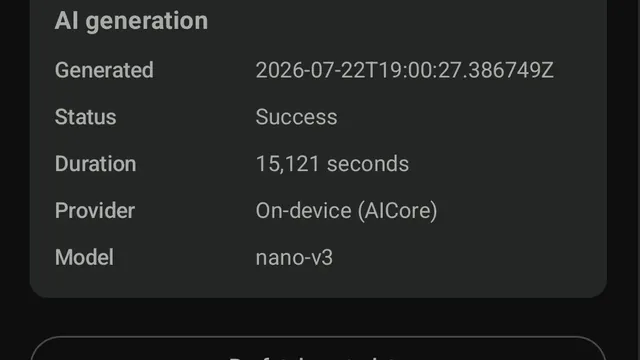
I wanted to build a native Android companion for Kollect without filling Fedora 44 with a JDK, Gradle, Android SDKs, build tools, emulator images, and assorted mobile-development debris. My complete Android toolchain now lives in an Ubuntu 24.04 Distrobox instead. It builds the APK, talks to my phone over wireless ADB, runs the Android emulator, and even lets Kollect enrich links for free with Gemini Nano through Android AICore.

Kollect: The Native KDE Link Collector I Built for Myself

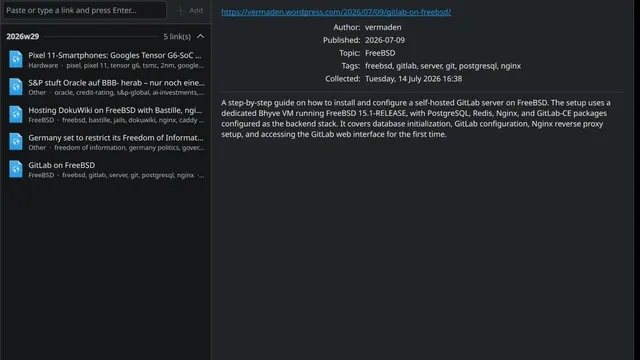
Kollect is a small native Plasma 6 application I wrote to get interesting links out of browser tabs and into a durable collection. It uses Kirigami and C++ on the desktop, plain TOML files by default, optional multi-user server storage, OpenRouter-powered metadata, KWallet for secrets, and a proper Fedora RPM. The source is not public, but the design is worth documenting.

bcachefs on RHEL 10.2: The Kernel That Said No

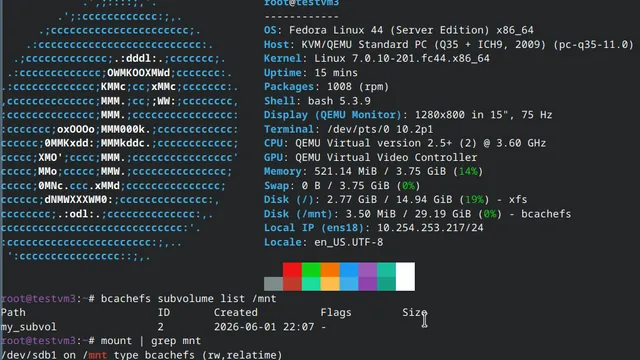
A few months ago I bullied RHEL onto a ZFS root and it worked. This time I tried to get bcachefs running on RHEL 10, lost a whole evening to compile errors, and the kernel won. Here is the autopsy, plus what bcachefs actually is and why an out-of-tree filesystem and a conservative enterprise kernel are a terrible couple.

Fedora Hummingbird: Distroless, Container-Native Linux and a Slim mastogreet

Fedora Hummingbird brings the distroless container model to a full, image-based rolling operating system, and it ships a catalog of hardened language images alongside it. I rebuild the mastogreet bot’s Containerfile on top of registry.access.redhat.com/hi/python to see what changes, what shrinks, and where the commercial Red Hat Hardened Images downstream fits in.