
Mastodon

I’m Christian: Senior Consultant by day, FreeBSD person by conviction. Hands-on writeups about jails, BGP, self-hosting and Linux, all from infrastructure I actually run.

#podman Articles


Newest

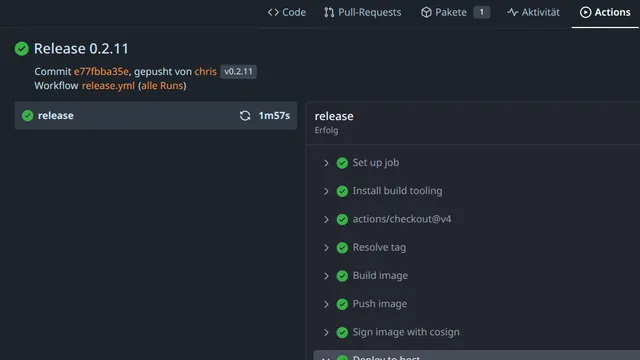
A Read-Only AI Reviewer for Forgejo Pull Requests

A small Python service that reviews every pull request on my self-hosted Forgejo with an LLM, posts a summary and inline findings, and is not allowed to do anything else. The interesting part was not getting a model to comment on a diff. It was getting it to stop being confidently wrong about code it had never seen, and making sure a misbehaving or manipulated bot could not change a single line.
Earlier articles

WinBoat Broke, Windows Kept Running: dockurr/windows with Plain Podman

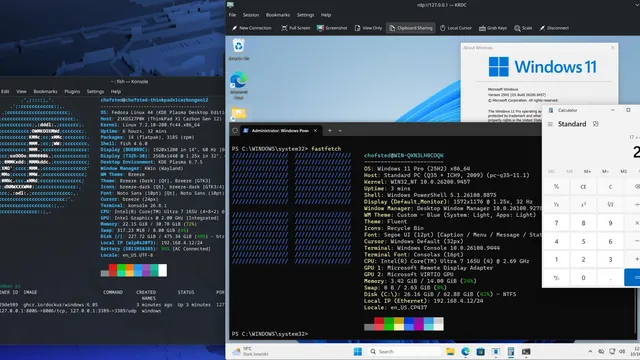
After a cleanup broke my WinBoat installation, I brought the same Windows 11 VM back with a single rootless podman run against the old storage directory. Here is what dockurr/windows actually is, what lives in its storage folder, why NETWORK=nat quietly became passt in rootless Podman, how I verified RDP without opening a window, and a Quadlet unit to keep it around.

No Proxmox Backup Client for RHEL? Hold My Container Runtime

RHEL 10 on ARM64, a Proxmox Backup Server, and no convenient native client package. I borrowed the client from an old server container, mounted the host root filesystem read-only, and gave SELinux a very specific explanation. Five minutes later, I had an encrypted, incremental backup. There are caveats. Updated 2026-10-18 with a maintained client image for x86_64 and aarch64 on ghcr.io.

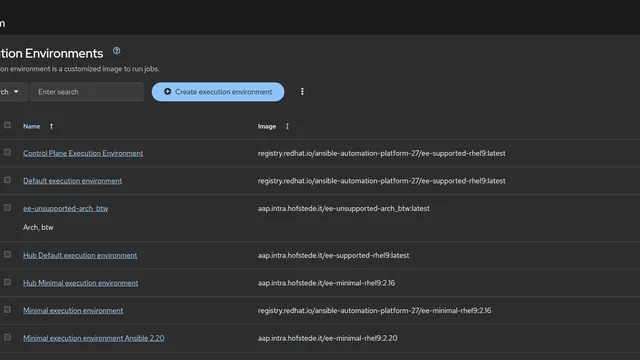
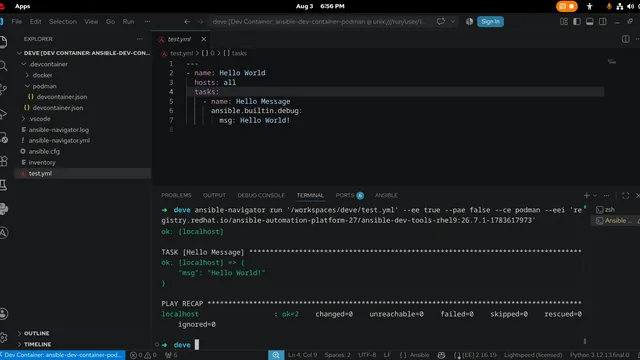
Sane Development Environments for Ansible Automation Code

Ansible content deserves something better than a laptop full of loosely related pip packages. My preferred setup puts the editor on RHEL, the Red Hat-packaged Ansible toolchain in a versioned Dev Container, and Podman underneath both development and Execution Environment workflows. The result is reproducible without pretending that upstream community bits and supported downstream product content are the same thing.

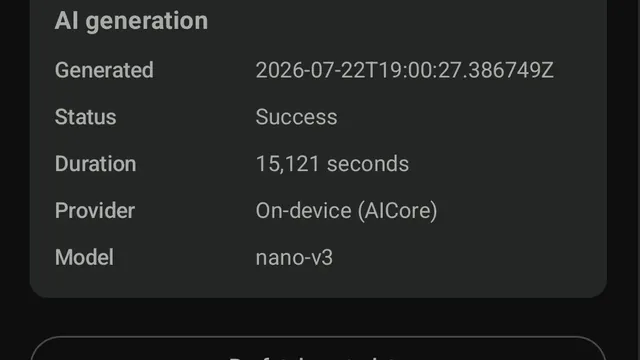
Android Development on Fedora 44 Without Installing an Android Development Stack

I wanted to build a native Android companion for Kollect without filling Fedora 44 with a JDK, Gradle, Android SDKs, build tools, emulator images, and assorted mobile-development debris. My complete Android toolchain now lives in an Ubuntu 24.04 Distrobox instead. It builds the APK, talks to my phone over wireless ADB, runs the Android emulator, and even lets Kollect enrich links for free with Gemini Nano through Android AICore.

Fedora Hummingbird: Distroless, Container-Native Linux and a Slim mastogreet

Fedora Hummingbird brings the distroless container model to a full, image-based rolling operating system, and it ships a catalog of hardened language images alongside it. I rebuild the mastogreet bot’s Containerfile on top of registry.access.redhat.com/hi/python to see what changes, what shrinks, and where the commercial Red Hat Hardened Images downstream fits in.